

Introduction
In today’s competitive startup ecosystem, founders are increasingly exploring alternatives to traditional venture capital. One approach gaining traction is the startup booted fundraising strategy, a method that emphasizes independence, efficiency, and sustainable growth. Rather than relying heavily on outside investors, entrepreneurs are choosing to build their companies with limited resources while still securing the funding needed to scale.
A well-executed startup booted fundraising allows founders to maintain control, reduce dilution, and focus on long-term value creation. This approach is especially appealing in uncertain economic climates where venture capital may be harder to secure. By blending bootstrapping principles with creative fundraising tactics, startups can grow strategically without compromising their vision.
The rise of the startup booted fundraising reflects a broader shift in how businesses are built. Founders are becoming more resourceful, leveraging revenue, partnerships, and community support to fuel growth. This article explores how this strategy works and why it is becoming a preferred path for modern entrepreneurs.
Understanding the Startup Booted Fundraising Strategy
A startup booted fundraising strategy is not about avoiding funding altogether. Instead, it focuses on combining bootstrapping with selective fundraising methods that align with the company’s growth stage. Founders using a startup booted fundraising prioritize revenue generation early, ensuring the business can sustain itself before seeking external capital.
This approach encourages discipline. When entrepreneurs adopt a startup booted fundraising, they tend to spend more carefully, validate ideas faster, and build products that customers truly want. The result is a stronger foundation that makes future fundraising more attractive and less risky.

The philosophy behind a startup booted fundraising is simple: grow smart before growing fast. By doing so, startups reduce dependency on large funding rounds and maintain flexibility in decision-making.
Why Founders Are Choosing This Strategy
The appeal of a startup booted fundraising strategy lies in its ability to preserve ownership and control. Founders who rely heavily on venture capital often face pressure to scale quickly, sometimes at the expense of sustainability. In contrast, a startup booted fundraising allows for measured, intentional growth.
Another reason this method is gaining popularity is market uncertainty. Economic fluctuations have made investors more cautious, pushing startups to explore alternatives. A startup booted fundraising provides a reliable path forward, even when traditional funding sources are limited.
Additionally, this strategy fosters resilience. Startups that adopt a startup booted fundraising learn to operate efficiently, making them better equipped to handle challenges and adapt to changing market conditions.
Key Components of a Startup Booted Fundraising Strategy
A successful startup booted fundraising strategy relies on multiple funding channels that align with the company’s goals. Revenue plays a central role, as early customer traction can fund operations and reduce reliance on external capital. Startups using a startup booted fundraising often focus on building a strong customer base before seeking investors.
Partnerships also play a significant role. Strategic collaborations can provide resources, distribution channels, or financial support. Within a startup booted fundraising, partnerships are often more valuable than traditional funding because they offer both capital and growth opportunities.
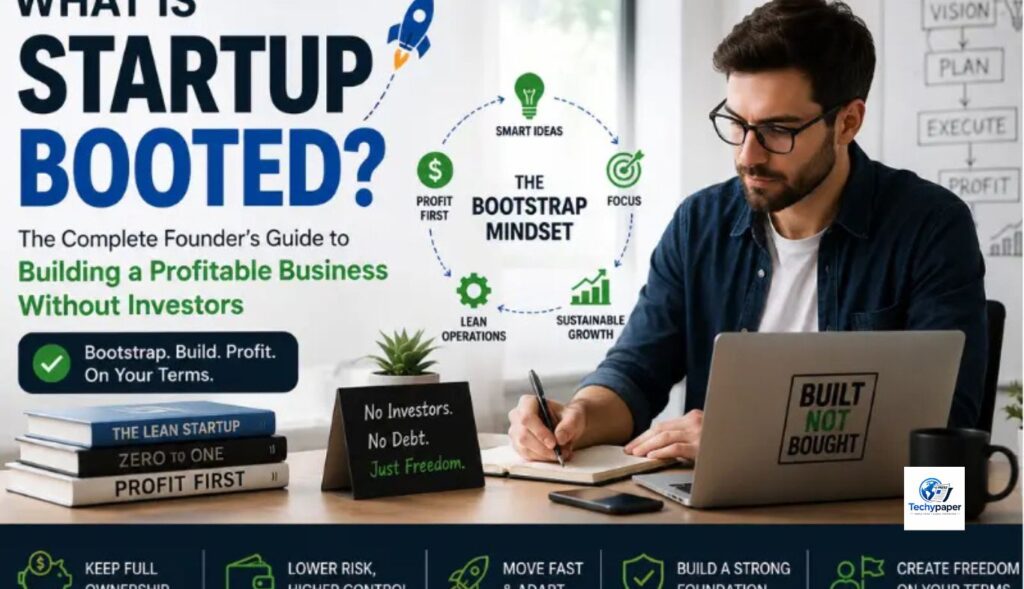
Another essential element is community support. Crowdfunding and customer-driven funding models are becoming increasingly popular within a startup booted fundraising. These methods not only generate funds but also validate the product in the market.
Balancing Growth and Financial Discipline
One of the defining characteristics of a startup booted fundraising strategy is financial discipline. Founders must carefully manage cash flow while continuing to invest in growth. This balance is critical for long-term success.
A startup booted fundraising encourages startups to prioritize profitability earlier than venture-backed companies. This focus ensures that the business remains sustainable, even without large funding rounds. At the same time, founders must remain open to opportunities that can accelerate growth when the timing is right.
Maintaining this balance requires careful planning and adaptability. Startups that successfully implement a startup booted fundraising are often those that can pivot quickly while staying financially stable.
Challenges and How to Overcome Them
While a startup booted fundraising strategy offers many benefits, it is not without challenges. Limited resources can slow down growth, making it harder to compete with well-funded competitors. However, this constraint often leads to innovation and smarter decision-making.
Another challenge is scaling. A startup booted fundraising may require more time to achieve significant growth milestones. Founders must remain patient and focused on building a strong foundation.

To overcome these challenges, startups should leverage data, customer feedback, and lean methodologies. By doing so, a startup booted fundraising strategy can become a powerful tool for sustainable growth rather than a limitation.
The Future of Startup Funding
The growing popularity of the startup booted fundraising strategy suggests a shift in how startups approach funding. As more founders prioritize independence and sustainability, this strategy is likely to become a standard practice.
Investors are also taking notice. Startups that demonstrate success with a startup booted fundraising strategy often attract better terms when they eventually seek funding. This dynamic creates a win-win situation for both founders and investors.
Ultimately, the startup booted fundraising strategy represents a more balanced approach to building a business. It combines the best aspects of bootstrapping and fundraising, offering a flexible path to success.
FAQ Section
What is a startup booted fundraising strategy?
A startup booted fundraising strategy is a hybrid approach where startups combine bootstrapping with selective fundraising methods to grow sustainably while maintaining control and minimizing reliance on venture capital.
Why is a startup booted fundraising strategy important?
A startup booted fundraising strategy is important because it helps founders retain ownership, reduce financial risk, and build a strong foundation before seeking external investment.
How does a startup booted fundraising strategy differ from traditional funding?
Unlike traditional funding, a startup booted fundraising strategy focuses on early revenue generation, partnerships, and alternative funding sources rather than relying solely on investors.
Can a startup scale using a startup booted fundraising strategy?
Yes, a startup booted fundraising strategy can support scaling, although it may happen more gradually. This approach ensures sustainable growth and long-term stability.
What are the risks of a startup booted fundraising strategy?
The main risks of a startup booted fundraising strategy include slower growth and limited resources. However, these challenges can lead to better financial discipline and innovation.
When should a startup adopt a startup booted fundraising strategy?
A startup should consider a startup booted fundraising strategy in its early stages when resources are limited and maintaining control is a priority.
Conclusion
The startup booted fundraising strategy is redefining how modern businesses approach growth and funding. By combining the discipline of bootstrapping with innovative fundraising methods, startups can achieve sustainable success without sacrificing control. This approach not only reduces risk but also builds a मजबूत foundation for long-term growth.
As the startup landscape continues to evolve, the startup booted fundraising strategy will likely become even more relevant. Founders who embrace this method can navigate uncertainty with confidence, create value on their own terms, and position their companies for lasting success.