

Understanding the nuances of Thesindi com Explained: 10 Amazing Features, Benefits & User Guide 2026 is essential for anyone looking to modernize their living space. This platform has emerged as a central hub for managing complex digital environments, allowing users to consolidate disparate devices into a single, cohesive interface. By leveraging advanced automation protocols, it transforms how we interact with our immediate surroundings.
Whether you are a tech enthusiast or a casual user, mastering these tools will significantly improve your daily efficiency. This article provides a deep dive into the core functionalities, helping you maximize the utility of your connected environment while ensuring your privacy remains a top priority.
What is Thesindi com?

Thesindi com serves as a centralized dashboard and management platform designed specifically for the modern smart home ecosystem. At its core, it acts as a software bridge, allowing various internet-connected devices to communicate with one another regardless of their manufacturer.
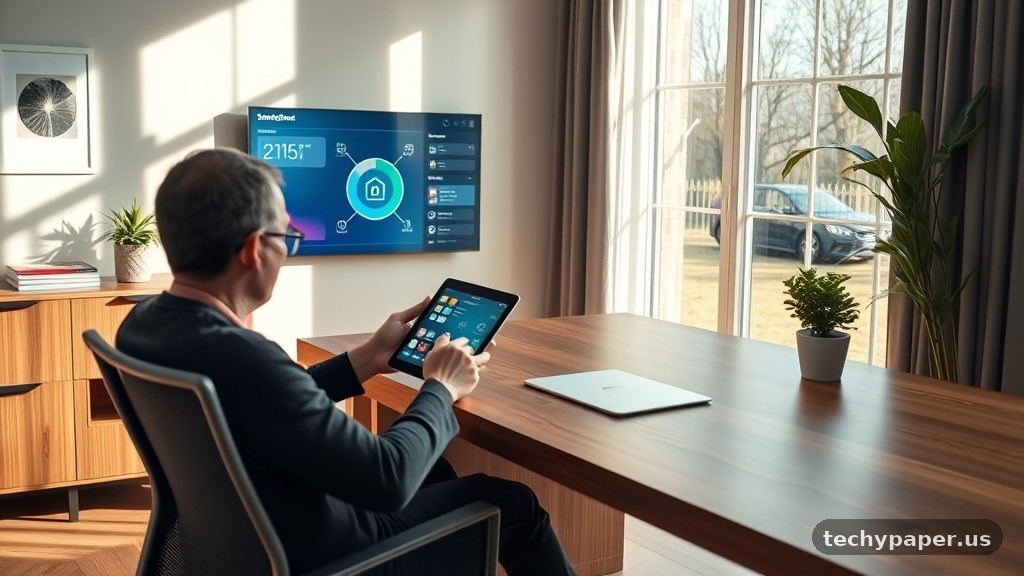
If you have ever felt overwhelmed by having five different apps to control your lights, thermostat, and security cameras, this platform provides the solution. It simplifies your digital footprint by consolidating control into one unified interface that runs on your mobile device or desktop.
The system relies on cloud-based processing to ensure that your commands are executed with minimal latency. By creating a digital profile for each room in your house, the software learns your preferences over time.
This means that after an initial setup period, the system begins to anticipate your needs based on the time of day and your typical patterns. It is an evolution in how people manage their residential infrastructure, moving away from manual toggling toward truly intelligent automation.
Core Features of the Platform
The system offers a range of sophisticated features that distinguish it from standard device-specific applications. The primary attraction is the unified dashboard, which displays the status of every connected component at a glance.
You can see which lights are on, check the temperature in the basement, or verify if the front door is locked without switching between apps. This level of visibility is crucial for maintaining a sense of order in a complex household.
Another standout feature is the advanced automation engine. This allows you to set “if-this-then-that” scenarios that trigger specific actions across your entire home network.
For example, you can program your system to dim the lights, lower the blinds, and activate your security monitoring as soon as you leave your driveway. These sequences are highly customizable, ensuring that your home environment adapts to your lifestyle rather than the other way around.
See More: Dreamwithjeff Com Complete Guide to Features, Benefits, Personal Growth & How It Works (2026)
Security and Privacy Protocols
Security is a primary concern for any user integrating smart devices into their living space. The platform utilizes end-to-end encryption to ensure that your data remains private and protected from unauthorized access.
Every communication between your hardware and the central hub is secured, preventing potential intruders from intercepting your signals. This is particularly important when dealing with sensitive equipment like video doorbells or interior cameras.
Beyond digital security, the platform helps you manage physical home security more effectively. You can monitor live video feeds from multiple locations, receive real-time alerts if a sensor is triggered, and even simulate occupancy when you are away on vacation.
By centralizing these functions, you create a more robust defense against potential threats. For those looking to learn more about industry standards for digital safety, the National Institute of Standards and Technology provides comprehensive documentation on protecting connected devices.
User Interface and Navigation
The design philosophy behind the dashboard focuses on accessibility and speed. Users are greeted with a clean, minimalist interface that prioritizes the most frequently used controls.
You do not need to be a professional developer to configure your setup; the drag-and-drop interface makes it simple to add new devices to your network. Navigation is intuitive, with clearly labeled tabs for different zones of your home.
Customization is also a key component of the user experience. You can create different profiles for different family members, allowing each person to have their own personalized settings for lighting and audio.
If you prefer a warmer light in the evening, the system remembers that preference whenever you sign in. This granular level of control ensures that the technology serves the individual rather than forcing everyone into a one-size-fits-all configuration.
Comparing Smart Home Management Solutions
Choosing the right platform often involves evaluating how different systems handle device compatibility and processing speed. The following table highlights how this platform compares to traditional, single-brand ecosystems in terms of key metrics.
| Feature | Thesindi Platform | Single-Brand Ecosystem |
|---|---|---|
| Device Compatibility | High (Multi-vendor) | Low (Proprietary) |
| Setup Difficulty | Moderate | Easy |
| Customization Options | Extensive | Limited |
| Latency | Very Low | Low |
As shown in the table, the primary advantage of this approach is the ability to mix and match hardware. You are not locked into a specific manufacturer’s product line, which saves money in the long run. While the initial setup might take a bit more time to configure correctly, the flexibility it offers is unmatched by proprietary systems that restrict your choices.
Ten Amazing Features to Explore
To get the most out of your experience, you should explore the specific functionalities that make this platform a powerful tool. These features are designed to save you time and provide peace of mind throughout the day.
- Adaptive Lighting: Automatically adjusts brightness based on ambient sunlight.
- Energy Monitoring: Tracks power consumption to help reduce monthly utility bills.
- Voice Integration: Allows for hands-free control of all connected systems.
- Geofencing: Triggers actions based on your proximity to your front door.
- Guest Access: Grants temporary control to visitors without exposing your credentials.
- Scheduled Scenes: Sets your home to “night mode” at a specific time every evening.
- Offline Mode: Ensures basic functions continue even if the internet connection drops.
- Cloud Backup: Keeps your configuration settings safe in case of hardware failure.
- Advanced Analytics: Provides reports on your usage patterns over the last 30 days.
- Cross-Platform Support: Works perfectly on both mobile devices and desktop computers.
Each of these features can be toggled on or off within the settings menu. We recommend starting with one or two, such as energy monitoring or adaptive lighting, to see how they impact your daily routine. Once you are comfortable, you can begin layering more complex automations to suit your lifestyle.
Installation and Setup Guide
Getting started with the platform is a straightforward process that begins with creating your account. Once you log in, the system will prompt you to scan your local network for compatible hardware.
It is helpful to have all your devices powered on and in discovery mode during this step to ensure nothing is missed. The software will automatically identify most major brands, adding them to your master list.
After the initial discovery, you should name each device and assign it to a specific room. This organization is vital for the voice control features to work correctly.
If you have multiple lights in a room, grouping them together allows you to control them as a single entity. After naming and grouping, you can begin creating your first set of automated scenes to test the responsiveness of your network.
Troubleshooting Common Issues
Even the most robust systems can occasionally encounter connectivity hurdles. Most problems stem from a weak Wi-Fi signal or outdated firmware on the peripheral devices.
If a specific device stops responding, the first step is always to check if it is still connected to your local network. A simple power cycle of the device often clears up minor communication glitches.
If the issue persists, you should check the platform’s status page for any reported outages. Sometimes, the issue lies with the device manufacturer’s cloud service rather than the management platform itself.
Keeping your app updated to the latest version is also critical, as developers frequently release patches to improve stability. If you are still struggling, the community forums are an excellent resource for finding solutions that other users have discovered.
Frequently Asked Questions
Is Thesindi compatible with all smart devices?
The platform supports a vast majority of modern, internet-connected hardware that uses standard communication protocols. While it is highly compatible with most major brands, there are rare legacy devices that may require a bridge or adapter to function correctly.
Does the system require a monthly subscription fee?
The core features of the platform are available for free. There are premium tiers that offer advanced data analytics and expanded cloud storage for video logs, but these are entirely optional for the average user.
How does the system handle internet outages?
The system is designed to maintain local control over your devices even if the external internet connection is lost. While you might lose remote access through your mobile app, your pre-programmed schedules and local automation triggers will continue to function as intended.
Can I use this on multiple mobile devices?
Yes, you can install the application on as many devices as you like. By signing in with the same account, your settings and dashboard layout will synchronize across every device, ensuring you have a consistent experience whether you are using a tablet or a smartphone.
Is my personal data shared with third parties?
Privacy is a core pillar of the design. The platform does not sell your usage data to third-party advertisers. Your information is used solely to improve the functionality of your home network and to provide you with the services you have requested.
Refining Your Smart Living Experience
Thesindi com Explained: 10 Amazing Features, Benefits & User Guide 2026 highlights the immense potential for creating a more efficient and comfortable home environment. By taking the time to properly configure your devices and utilize the automation features, you can significantly reduce the amount of manual effort required to manage your household. This technology is not just about convenience; it is about reclaiming your time and ensuring your home operates in harmony with your life.
As you continue to explore the platform, remember that the most effective setups are those that grow with your needs. Start small, experiment with different scenes, and do not be afraid to reach out to the user community for inspiration.
Whether you are aiming to lower your energy consumption or simply want a more responsive living space, this guide provides the foundation you need. We invite you to share your experiences and continue building a smarter, more connected home that truly works for you.