

Technology evolves rapidly, and software versions, updates, and technical identifiers often become subjects of online discussion. One such term gaining attention is refixs2.5.8a. While many users encounter version labels and update names during software installations, troubleshooting, or system maintenance, they often search for additional information to understand their purpose and significance.
The keyword refixs2.5.8a has generated interest among technology enthusiasts, software users, and digital professionals who want to learn more about its potential role, features, and relevance. Understanding version identifiers is important because they often represent improvements, fixes, security enhancements, and performance updates that can directly affect user experience.
What Is Refixs2.5.8a?
Refixs2.5.8a appears to follow a naming structure commonly used in software development and version management. In the technology industry, version numbers help developers and users identify specific releases, updates, patches, and modifications within a software product.
The format itself suggests a release that may have undergone several stages of development. Software developers often use numerical sequences to indicate progress between versions. Additional letters may represent minor revisions, bug fixes, or specialized builds created to address specific technical concerns.
Understanding version identifiers helps users recognize whether they are working with the latest release and whether important updates have been applied. In many cases, these identifiers provide valuable clues about the software’s development history and intended improvements.
Why Software Version Numbers Matter
Software version numbers serve a critical purpose in modern technology. They provide a clear method for tracking development progress while helping users distinguish between releases.
When developers release updates, they often introduce changes that improve performance, increase security, or resolve existing issues. Without version numbers, users would struggle to determine which release they are using or whether an update is available.
Version management also supports technical troubleshooting. When users report issues, support teams often ask for version information because specific problems may only affect certain releases. Knowing the exact version helps developers identify and address issues more efficiently.
Refixs2.5.8a demonstrates how version identifiers function as important reference points within software ecosystems.
Understanding the Structure of Refixs2.5.8a
Many software naming conventions follow a structured pattern designed to communicate information quickly and effectively.
The numerical sequence in refixs2.5.8a may indicate different stages of development. The first number often represents a major release that introduces significant changes or new functionality. The second number may indicate a smaller feature update, while subsequent numbers frequently represent maintenance releases or patches.
The letter at the end can serve several purposes. In many development environments, letters identify revisions, testing builds, or minor corrections released after a primary update. These additions help developers distinguish between closely related versions.
Although exact meanings vary depending on the software project, the general structure reflects common practices used throughout the technology industry.
The Role of Software Updates
Software updates have become an essential part of modern digital life. Whether users operate mobile applications, business platforms, desktop programs, or cloud-based services, updates help maintain functionality and security.
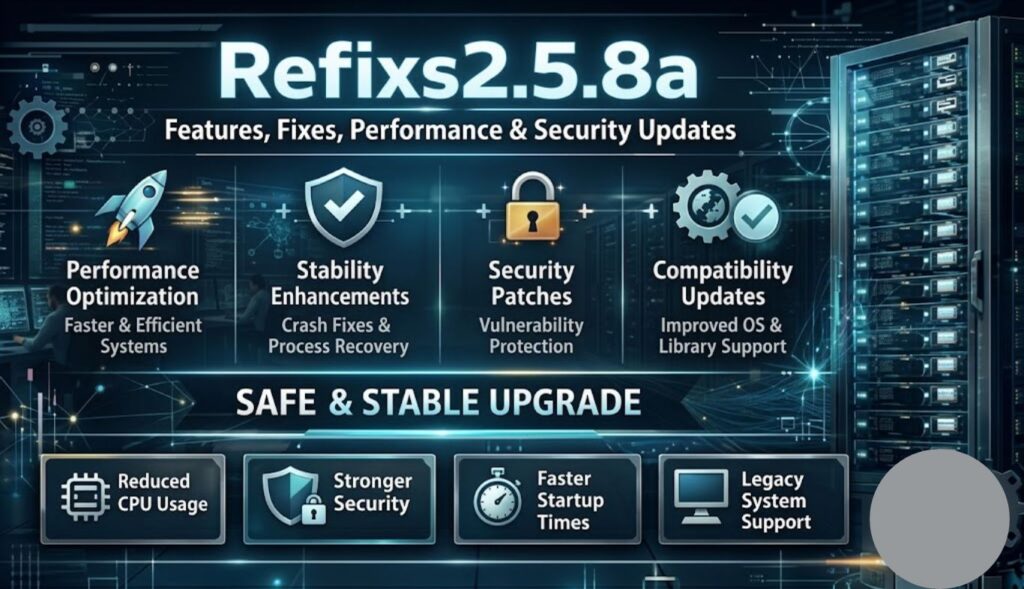
A software release associated with a version such as refixs2.5.8a may include performance enhancements designed to improve speed and stability. Developers frequently optimize code to reduce resource usage and create smoother user experiences.
Updates may also address compatibility concerns. As operating systems evolve, software products must adapt to maintain proper functionality. Version releases often ensure that programs continue working effectively across changing environments.
Security improvements represent another major reason for updates. Cybersecurity threats evolve continuously, making regular maintenance a necessity rather than an option.
Common Reasons for Software Revisions
Software development is an ongoing process. Even after a product is released, developers continue refining and improving it based on user feedback and technical requirements.
One common reason for revisions is bug fixing. Unexpected issues can emerge after software reaches a broader audience. Real-world usage often reveals situations that were difficult to predict during testing.
Performance optimization is another major factor. Developers constantly seek ways to improve efficiency and reduce delays. Small adjustments can significantly enhance user satisfaction.
User feedback frequently influences software evolution as well. Organizations listen to customer experiences and use that information to guide future updates.
Version identifiers like refixs2.5.8a help track these ongoing improvements and maintain a clear record of development progress.
How Developers Manage Software Releases
Software development teams use release management strategies to organize updates and maintain product quality. These processes ensure that new versions undergo testing before reaching users.
Testing plays a critical role in software reliability. Developers evaluate functionality, performance, compatibility, and security to identify potential issues. This process helps minimize disruptions and improve overall stability.
Documentation is equally important. Release notes often accompany updates, explaining changes, enhancements, and known issues. These documents help users understand what has been modified and why the update matters.
Version identifiers serve as reference points throughout this process. They allow developers, support teams, and users to communicate clearly about specific releases.
Refixs2.5.8a and System Performance
Performance improvements are among the most common goals of software updates. Users expect programs to operate smoothly and respond quickly to commands.
A version such as refixs2.5.8a may represent efforts to optimize processing efficiency, reduce memory consumption, or improve overall responsiveness. These enhancements can make software more reliable and enjoyable to use.
Performance optimization often involves refining existing code rather than adding entirely new features. Small technical adjustments can produce noticeable improvements in speed and stability.
For businesses and organizations, improved performance can contribute to greater productivity. Efficient software helps reduce downtime and supports smoother workflows across digital environments.
Security Considerations in Software Updates
Security remains one of the most important aspects of software maintenance. Cyber threats continue evolving, requiring developers to remain proactive in protecting users and systems.
Software updates frequently address vulnerabilities that could otherwise be exploited by attackers. These fixes help safeguard sensitive information and maintain system integrity.
Users sometimes delay updates due to concerns about compatibility or inconvenience. However, maintaining current versions is generally considered a best practice because outdated software may expose systems to unnecessary risks.
Version releases such as refixs2.5.8a often play a role in strengthening security by incorporating patches and protective measures that address emerging threats.
The Importance of Staying Updated
Keeping software current benefits both individual users and organizations. Updated applications typically provide better performance, improved security, and enhanced compatibility with modern systems.
Technology changes rapidly, and outdated software can create challenges ranging from reduced functionality to increased security risks. Regular updates help ensure that systems continue operating effectively.

Users who stay informed about software releases are better equipped to make decisions regarding maintenance and upgrades. Understanding version identifiers can help determine whether a system is running the latest available release.
This awareness contributes to more reliable technology experiences and supports long-term system stability.
The Future of Software Versioning
As technology becomes increasingly sophisticated, software versioning practices continue evolving. Development teams now release updates more frequently than ever before, often using automated systems and continuous delivery methods.
Despite these changes, version identifiers remain important. They provide structure within complex development environments and help users understand the progression of software products.
Future versioning systems may become even more detailed, incorporating information about release channels, testing phases, and compatibility requirements. Regardless of specific approaches, clear version identification will continue playing a central role in software management.
Refixs2.5.8a represents the type of identifier that helps maintain order and transparency within modern technology ecosystems.
Frequently Asked Questions About Refixs2.5.8a
What is refixs2.5.8a?
Refixs2.5.8a appears to be a software version identifier used to distinguish a specific release, update, or revision within a software project.
Why are software version numbers important?
Version numbers help users and developers track updates, identify releases, troubleshoot issues, and maintain compatibility across systems.
What does the letter “a” typically mean in a version number?
In many software projects, a letter may indicate a minor revision, patch, testing release, or small update applied after a primary version release.
Can software updates improve performance?
Yes. Many updates focus on optimization, bug fixes, and efficiency improvements that enhance overall system performance.
Should users keep software updated?
In most cases, maintaining current software versions is recommended because updates often include security enhancements, compatibility fixes, and performance improvements.
Conclusion
Refixs2.5.8a highlights the importance of software versioning in today’s technology-driven world. While version identifiers may appear technical at first glance, they serve essential functions that help developers manage updates and assist users in understanding software progress. From performance enhancements and security improvements to compatibility fixes and bug resolutions, version releases play a crucial role in maintaining reliable digital experiences.
As software development continues evolving, understanding identifiers such as refixs2.5.8a becomes increasingly valuable. Whether you are a casual user, technology enthusiast, or IT professional, recognizing the purpose of software versions can help you make informed decisions about updates, maintenance, and system management. In a digital landscape where reliability and security matter more than ever, staying informed about software releases remains a smart and practical habit.